Cart
0
You may also like


The best sunscreen for your skin type is one that is broad-spectrum, SPF 30 or higher, and has a texture you will happily wear every single day. In India, where the sun is strong for much of the year, comfort matters as much as the number on the tube, because the sunscreen you skip is the one that cannot protect you. This guide walks you through labels, textures and a simple routine, so you can pick with confidence.
Key Takeaway: Check three things on the label (broad-spectrum, SPF 30 or higher, water resistance), then pick the texture that suits your skin type. Gels and fluids usually suit oily skin, creams suit dry skin, and a patch test helps everyone with sensitive skin.
Dermatology bodies such as the American Academy of Dermatology advise choosing a sunscreen that is broad-spectrum, SPF 30 or higher, and water resistant. Each part of that label does a different job.
UVB rays cause sunburn, while UVA rays reach deeper and contribute to tanning, dark spots and early ageing. "Broad spectrum" means a sunscreen covers both. In India you will also see a PA rating, such as PA+++, which describes UVA protection. More plus signs mean stronger UVA cover.
SPF measures protection against UVB only. SPF 30 filters roughly 97 percent of UVB and SPF 50 roughly 98 percent, so the jump is modest. Generous application and regular reapplication protect you more than chasing a bigger number.
Chemical filters absorb UV, while mineral filters such as titanium dioxide and zinc oxide sit on skin and reflect it. Many modern formulas blend both. For example, the ingredient list on White Wolf India's SPF 50 PA+++ Tone Up Cream includes chemical filters and titanium dioxide, so it is a hybrid. Read the ingredient list if you prefer one type.
Texture is where skin type really matters. Here is how to match the two.
Skin Type 01

Oily Skin
Choose a lightweight gel or fluid that is oil-free and non-comedogenic, with a matte finish. It stays comfortable in humid Indian summers and does not add shine by midday.
Skin Type 02

Dry Skin
Go for a cream or lotion with hydrating ingredients such as glycerin. Layer it over a moisturiser in winter, when dry air can make skin feel tight under lighter formulas.
Skin Type 03

Combination Skin
A light, non-greasy lotion or fluid usually balances an oily T-zone and drier cheeks. If cheeks still feel tight, add a little moisturiser underneath.
Skin Type 04

Sensitive Skin
Many people prefer fragrance-free formulas, and some find mineral filters gentler. Patch test first and introduce one new product at a time.
| Skin Type | Best Texture | Finish | Watch Out For |
|---|---|---|---|
| Oily | Gel or fluid | Matte | Heavy, greasy creams |
| Dry | Cream or lotion | Dewy or natural | Very mattifying formulas |
| Combination | Light lotion | Natural | Skipping moisturiser on dry patches |
| Sensitive | Fragrance-free or mineral-leaning | Natural | Fragrance and untested new products |
| Normal | Any light lotion | Your preference | Under-applying |
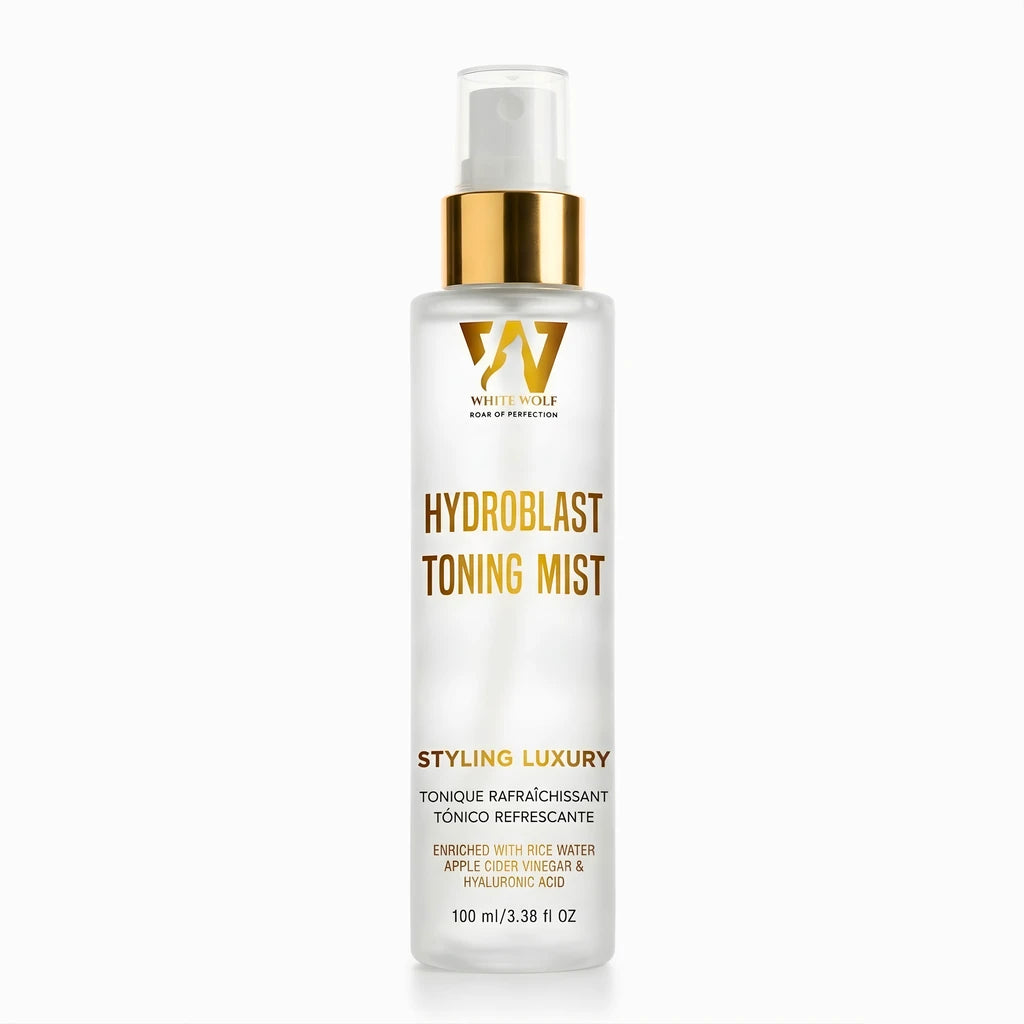
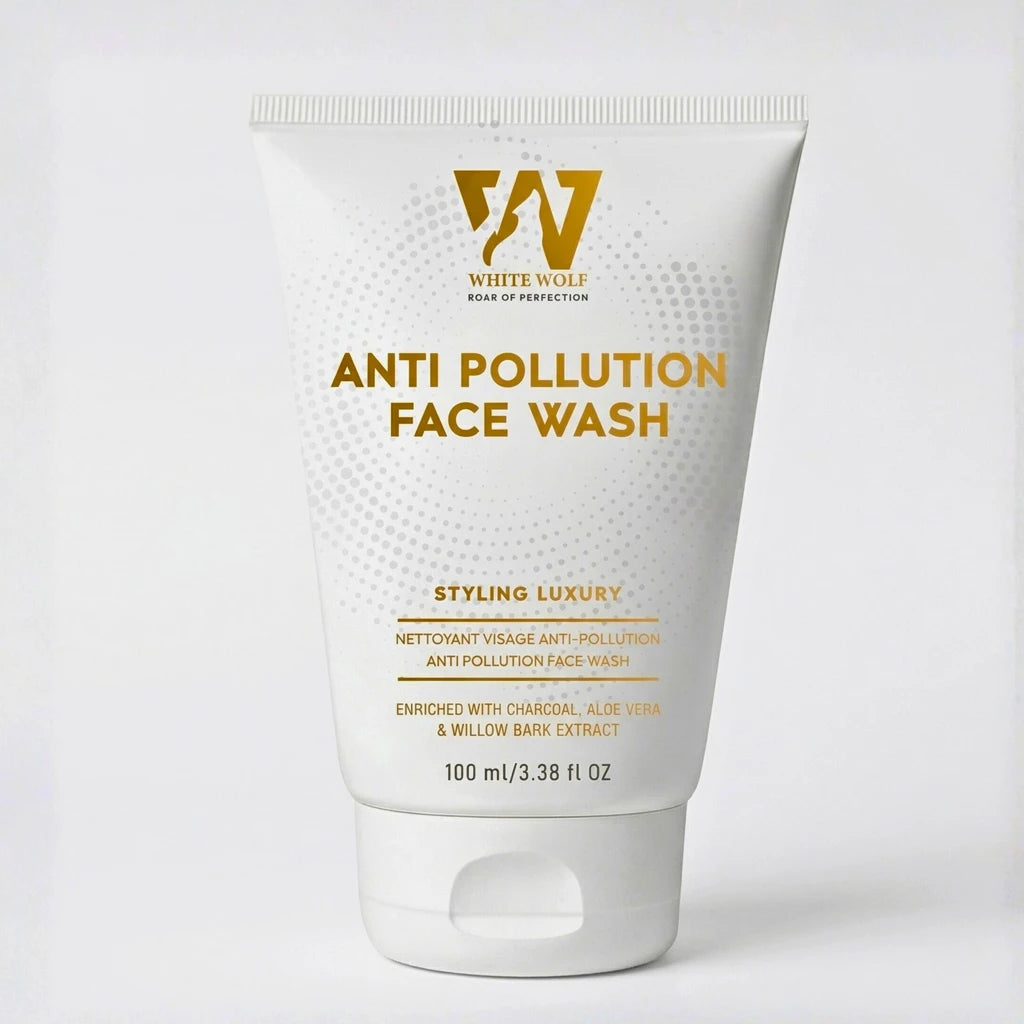
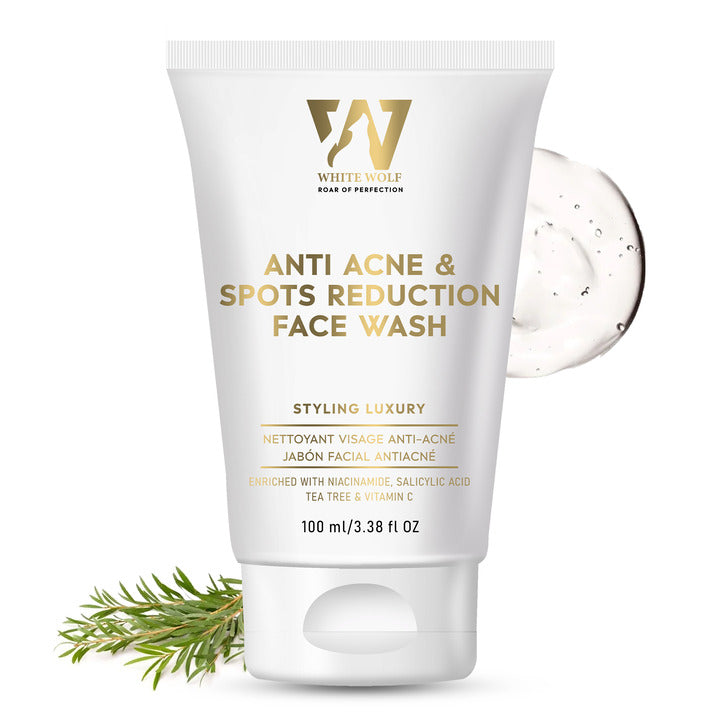
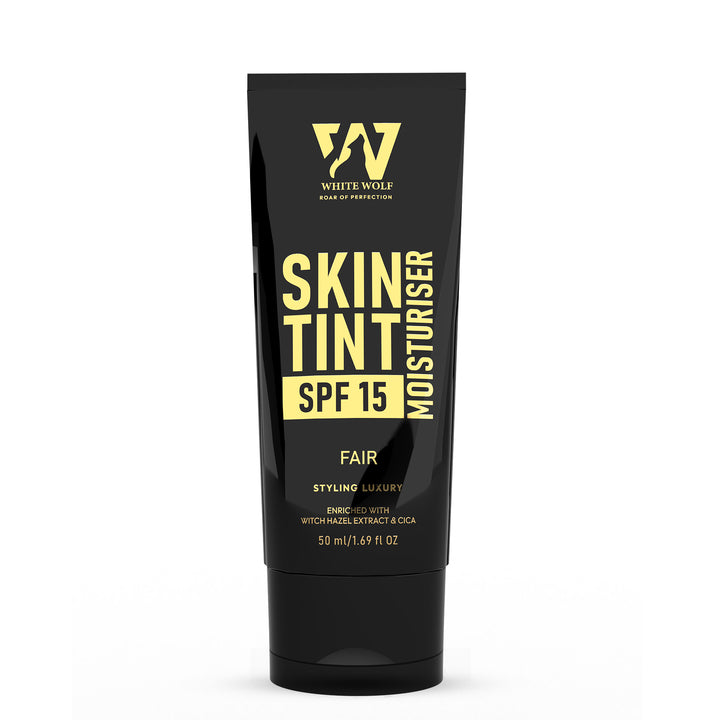
These products come from whitewolfindia's sister brand, White Wolf India. Pair sunscreen with a gentle cleanse and a light moisturiser for an easy daily routine.
Product 01

Sunscreen SPF 50 PA+++ Tone Up Cream
A 50 ml tone-up sunscreen. The product page describes it as broad-spectrum (UVA and UVB), oil-free, water-resistant and free of white cast, with a matte finish of up to 6 hours. Actives include niacinamide, vitamin C, vitamin E and licorice extract. It lists perfume, so patch test if you are fragrance-sensitive.
Product 02

Skin Tint Moisturiser with SPF-15
A tinted moisturiser with SPF 15 for light coverage. On long outdoor days, treat it as a base layer and add a higher-SPF sunscreen on top.
Product 03

Anti Pollution Face Wash
Start with clean skin. Washing off city grime and sweat before sunscreen helps the product go on evenly.
Product 04

Hydro Booster Gel
A gel moisturiser that layers under sunscreen, handy when you want a light routine for oily or combination skin.
Look for a lightweight gel or fluid that is oil-free, non-comedogenic and broad-spectrum with SPF 30 or higher. A matte finish helps in Indian humidity. Always check the label for the broad-spectrum claim before you buy.
SPF 50 filters slightly more UVB than SPF 30, roughly 98 percent versus 97 percent. The gap is small, so applying enough and reapplying on time matter more than the number. SPF 30 is the usual minimum dermatologists recommend.
If you sit near a window or spend bright daytime hours beside one, yes, because UVA can pass through glass. If you are away from windows all day, sunscreen matters less, but it is still a good habit on days you step out.
Yes. A large share of UV still reaches the ground through clouds, so monsoon and winter days are not sunscreen-free days. Wear it daily and reapply when you are outdoors.
Many people with sensitive skin prefer fragrance-free formulas, and some find mineral filters gentler. Whatever you choose, do a patch test on your inner forearm or behind the ear first and watch for redness or stinging.
Reapply at least every two hours when you are outdoors, and right after sweating or swimming. No sunscreen is fully waterproof or sweatproof, so the two-hour rule applies even to water-resistant formulas.
The best sunscreen for your skin type is broad-spectrum, SPF 30 or higher, and light or rich enough for your skin that you never skip it. Start with the label, match the texture using the table above, patch test, and reapply through the day. Do that consistently and your skin will thank you across every Indian season.
Source: sunscreen selection guidance from the American Academy of Dermatology, as summarised by Vanderbilt Health. Content is for general education and is not medical advice.


